


Welcome to the Exciting World of Chicken Road Racing!
In recent years, an unexpected phenomenon has taken the world by storm: the chicken road race slot. This quirky and amusing event brings together the spirit of grassroots competition with a comedic twist that’s hard to ignore. For both participants and spectators, chicken road racing is a thrilling spectacle that combines speed, uniqueness, and a good dose of laughter. In this article, we’ll explore the origins of chicken road racing, its growing popularity, notable events, and how you can join in the fun.
The Origins of Chicken Road Racing
While it may sound absurd, the origins of chicken road racing date back several decades to rural areas where agriculture intertwined with family fun. Farmers would often race their roosters against each other for bragging rights and a bit of pocket change. As word spread about these quirky competitions, it led to organized events that captured the attention of local communities.
The essence of chicken road racing lies in its joviality. Unlike conventional racing, where speed is the sole focus, chicken road racing brings a comedic flair to the competition. Participants often dress their chickens in colorful costumes, adding an element of entertainment that draws crowds. As the races gained momentum, they began to evolve into larger events, sometimes showcasing food stalls, live music, and even carnival games.
Racing Formats and Rules
Most chicken road races operate under simple rules. Typically, a designated stretch of road or track is marked for the race, with participants releasing their chickens at the starting line. The first chicken to cross the finish line is declared the winner. However, depending on the event, there could be variations on the rules. Some races include special categories for different breeds of chickens or for chickens dressed in costumes.
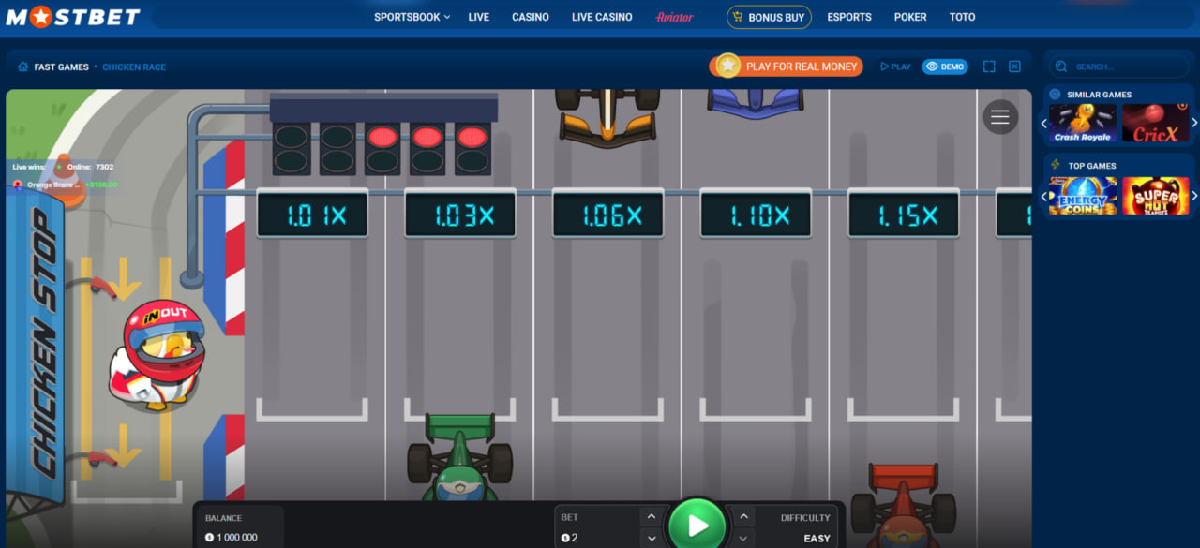
One of the more common formats is the “chicken dash,” where chickens race across a 100-yard stretch. This format encourages humorous moments, as chickens can often get distracted—pecking at the ground or stopping mid-race to investigate their surroundings.
A Growing Trend Across the Globe
What started as a rural tradition has transformed into an international phenomenon. Cities in many countries now host annual chicken road racing events, drawing participants and spectators from far and wide. Some events, like the Great American Chicken Race in Rochester, Minnesota, have even become tourist attractions, complete with live broadcasts, known racers, and special charity auctions.
The increasing popularity of social media has also played a crucial role in the spread of chicken road racing. With platforms like Instagram and TikTok, videos of wacky chicken races have gone viral, captivating a global audience. People share their experiences, showcasing the eccentric and humorous nature of the sport while inspiring others to join in on the fun.
Community and Culture
Beyond the racing itself, chicken road races foster a sense of community. Enthusiasts often come together for preparation and training, sharing tips on how to raise the fastest chickens. This social aspect helps create a tight-knit network of individuals who share a love for poultry and competition.
Local farmers might also participate in the sport as a way to bond with their families or their neighbors. The events typically promote camaraderie, laughter, and a spirit of friendly competition, which strengthens ties within communities and brings people together in joyous celebrations.
How to Get Involved in Chicken Road Racing
If you’re feeling inspired and want to dive into the entertaining world of chicken road racing, getting involved is fairly straightforward. Here are a few steps to guide you through the process:
- Research Local Events: Start by looking for chicken road racing events in your area. Check local listings, social media pages, and community bulletin boards for upcoming races.
- Choose Your Chicken: If you want to participate, select a chicken that fits your racing aspirations! Certain breeds tend to be faster than others, so do your homework on chicken breeds known for their speed and temperament.
- Prepare Your Chicken: Train your chicken by allowing them to run short distances and become accustomed to the track environment. Make sure they are well-fed and healthy before the race.
- Get Involved in the Community: Even if you’re not racing, attending events as a spectator can immerse you in the community. Build connections with fellow chicken enthusiasts to learn more about the sport.
The Humor of Chicken Road Racing
A significant portion of the appeal of chicken road racing lies in its humor. The sight of tiny chickens racing, all while their enthusiastic owners cheer them on, creates a light-hearted atmosphere that’s infectious. The unexpected antics of the chickens—like stopping for a snack mid-race or wandering off the track to explore—generate laughter and make for entertaining videos.
This humor is further enhanced during events where participants are encouraged to dress their chickens in humorous costumes. Costumes vary from mini capes to extravagant outfits, and judging for the best-dressed chicken often accompanies the races. Events may feature awards for both speed and creativity, ensuring everyone walks away with a prize of some kind.
Conclusion
Whether you’re a spectator or a participant, chicken road racing is undoubtedly an experience full of excitement, laughter, and community spirit. The lightweight competition and quirky nature of the races create a unique atmosphere that brings people together, bridging gaps through shared humor and fun.
So, if you’re looking for a fun way to spend your next weekend, consider checking out a local chicken road race. Bring your friends, family, and a sense of humor, and immerse yourself in a world that’s as comical as it is competitive.